What is Pregnancy-related Hypertension?
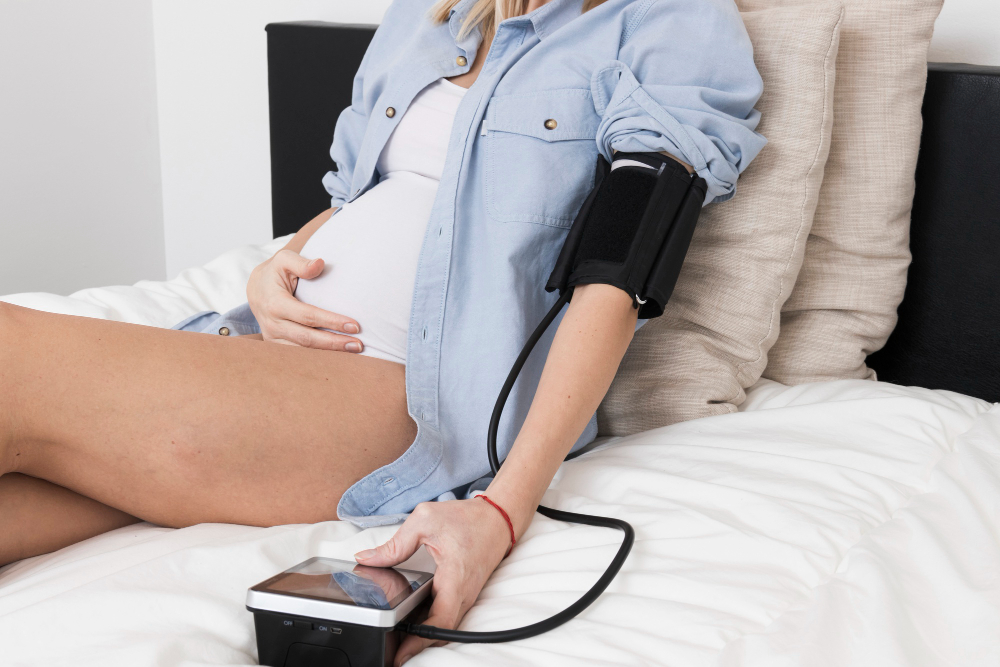
Pregnancy-related hypertension management is important for the health of both mother and baby. This condition means having high blood pressure during pregnancy. Sometimes, it starts before pregnancy. Other times, it develops after 20 weeks. Doctors may call it gestational hypertension or preeclampsia. Early care can help prevent problems. According to the CDC, about 1 in 12 pregnant women in the United States experience high blood pressure in pregnancy.
Common Symptoms and Warning Signs
It is important to know the signs of pregnancy-related hypertension. Early detection can help keep you and your baby safe. Watch for these symptoms:
However, some women may not notice any symptoms. So, regular check-ups are very important.
Causes and Risk Factors
Several things can raise your risk of high blood pressure in pregnancy. Knowing these can help you and your doctor plan for a healthy pregnancy. Common risk factors include:
Still, even women without these risks can develop gestational hypertension. Therefore, regular monitoring is key.
How is Pregnancy-related Hypertension Diagnosed?
Doctors use several steps to diagnose pregnancy-related hypertension. First, they check your blood pressure at every visit. If it is 140/90 mmHg or higher, they may do more tests. These tests can include:
With early diagnosis, you can get the right care quickly. The CDC and WHO recommend regular prenatal visits for all pregnant women.
Treatment Options and Medical Management
Treating high blood pressure in pregnancy is important for both mother and baby. Doctors choose safe pregnancy hypertension treatments based on your health and the baby’s needs. Common treatments include:
Sometimes, early delivery may be needed if the condition worsens. Always follow your doctor’s advice for gestational hypertension care.
Lifestyle Tips for Managing Hypertension During Pregnancy
Along with medical care, healthy habits can help manage pregnancy-related hypertension. Try these lifestyle tips:
Even small changes can make a big difference. Talk to your doctor before starting any new activity.
Prevention Strategies and When to Seek Help
While you cannot always prevent high blood pressure in pregnancy, some steps may lower your risk. For example, maintaining a healthy weight before pregnancy can help. Also, managing chronic conditions like diabetes is important. Here are some prevention tips:
However, seek help right away if you notice severe headaches, vision changes, or swelling. Quick action can protect you and your baby.
In summary, managing pregnancy-related hypertension is crucial for a healthy pregnancy. Early diagnosis, safe treatments, and healthy habits can make a significant difference.
Consult a healthcare specialist at Amma Children Hospital for personalized advice on managing pregnancy-related hypertension and ensuring a safe and healthy pregnancy.